
What is a timing belt?
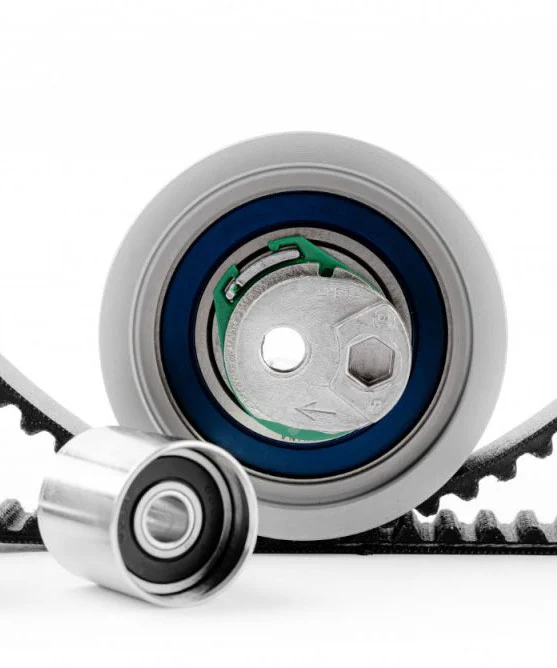
A car’s timing belt is a critical engine component that keeps the crankshaft and camshaft working in perfect synchronisation. This precise timing allows the engine’s valves to open and close at the correct moments, ensuring smooth performance and efficiency.
Over time, timing belts wear due to heat, age, and mileage, often without visible warning signs. Regular maintenance and timely replacement are essential because a failed timing belt can cause severe engine damage, leading to costly repairs or complete engine failure. Replacing the timing belt at the manufacturer’s recommended interval helps protect the engine, maintain reliability, and provide long-term peace of mind.
Vehicles we commonly work on for timing belt replacement
We regularly replace timing belts on the following marques. If you’re unsure whether your car has a timing belt, we’ll happily check.

VW Group*

Ford

Vauxhall

Peugeot / Citroen / DS

Renault

Fiat / Alfa

Kia / Hyundai

Toyota
* including VW, Audi, SEAT, Skoda, VW Commercials
Vehicles with Timing Chains
Common to these manufacturers, but not an exhaustive list
BMW
Mercedes
Mazda
Newer Toyota*
Honda*
Example vehicle images, for illustration only. * Petrol engines.
When should a timing belt be replaced?
Many manufacturers quote intervals of 10 years or 100,000+ miles, but real-world evidence shows failure can occur much sooner.
We recommend inspection or replacement if:
Don’t wait until it is too late
We see all too often that many timing belts fail prematurely, with literally no warning. If the belt snaps you are probably looking at total engine failure, potentially writing off the whole vehicle.
Early replacement is far cheaper than engine replacement
This advice is changing all the time, with certain, manufacturers changing from lifetime warranty to inspect and replace in less than 5 years. We have the very latest data available to use and we can check your specific vehicle and advise you accordingly.
